The history of the Ryder Cup
Named after a man who made his fortune selling seeds one hundred years ago, the Ryder Cup is now golf’s most eagerly awaited event, consistently delivering iconic moments. We take a look back through its history and remember some of its greatest hits...

Sam Ryder only started playing golf to get some fresh air. He’d made his fortune selling ‘penny’ seeds, and after an illness, a friend suggested he try the sport to help in his recovery. Within a year, Ryder became obsessed with the game and began to sponsor tournaments at his club, Verulam. In 1926, he made his first foray into team golf, sponsoring an England v Scotland match, the event receiving much excitement. A few months later, Ryder announced he would be providing a trophy for a competition between British and American golfers.
A ‘lost’ Ryder Cup was played in 1926. An American team led by Walter Hagen took on Ted Ray’s Great Britain on Wentworth’s West Course, taking a 13½-1½ drubbing. However, the trophy was never presented, and so it has been stripped from the official record books – Ryder decided, in light of the Americans’ inability to field their best side due to the Great Strike, that the trophy be withheld.

Walter Hagen and Gene Sarazen
The Americans won the first event. At the Worcester Country Club in 1927, the Ryder Cup officially got underway, the USA team winning 9½-2½. Again, Ted Ray and Walter Hagen were captains, but unfortunately, Ryder couldn’t be there in person. After a six-day sea crossing, the British players lost 3-1 in the Friday foursomes before a Saturday capitulation in the singles, falling 6½-1½.
Britain got revenge at Moortown. Back on home soil, GB won for the first time by 7-5 under the captaincy of Scotland’s George Duncan in 1929. They had trailed by a point after Friday, but victory was sealed by youngster Henry Cotton with a victory over Al Watrous in the singles. Ryder himself awarded the trophy.

George Duncan accepts The 1929 Ryder Cup from Sam Ryder
The US won on British soil for the first time in 1937. At Southport and Ainsdale Golf Club, the US defeated Great Britain 8-4, with Walter Hagen as the US non-playing captain. Winning all four of the final four matches, the US stormed ahead to take victory, setting itself up for half a decade of domination.
The tournament was saved by an Oregon food processor. In 1947, the Ryder Cup hadn’t been played in ten years due to World War Two, and with the death of Sam Ryder, the tournament needed a benefactor to be revived. Enter Robert Hudson, a rich businessman hooked on golf, who agreed to fund and stage the event in his hometown of Portland. Not only that, Hudson paid for the entire British team to travel over on the Queen Mary, welcomed them with extravagant pre-match hospitality and paid for their housing and meals. With just three players from the previous match, the British team lost 11-1.
America dominated for 50 years. From 1935, the US won seven in a row, interrupted only by GB’s 7½ - 4½ victory at Lindrick in 1957. But after that British team could not buy a victory. Some of the greatest names in golf history, the likes of Arnold Palmer, Ben Hogan and Jack Nicklaus, guided the US to 12 victories and a tie, recording the largest victory in history in 1967 by 23½-8½. With this dominance, the competition's future was under question.
Europeans entered in 1979. After the USA secured their 20th title in 1977, calls for the mainland to be involved had become vociferous. The first-ever European team travelled to The Greenbrier in West Virginia, although only with two Europeans: Severiano Ballesteros and Antonio Garrido. It didn’t make much difference, the US storming to a familiar 17-11 win.

Nick Faldo at Lytham St Annes Golf Club, The 1977 Ryder Cup
Tony Jacklin’s Europe broke America’s monopoly. In front of record crowds of 25,000, Europe finally took back the Ryder Cup in 1985. The Americans took control early, but when Craig Stadler missed an 18-inch putt on Saturday, the momentum changed. Europe took eight of the next 12 points, and victory was sealed by Sam Torrance.
The Belfry has hosted the most Ryder Cups. Four to be exact. The first, in 1985, marked a turning point in the competition’s history. It remained the European host for the next two editions: a tie followed by a U.S. victory. A fourth in 2002 made it the only venue to have hosted four times.
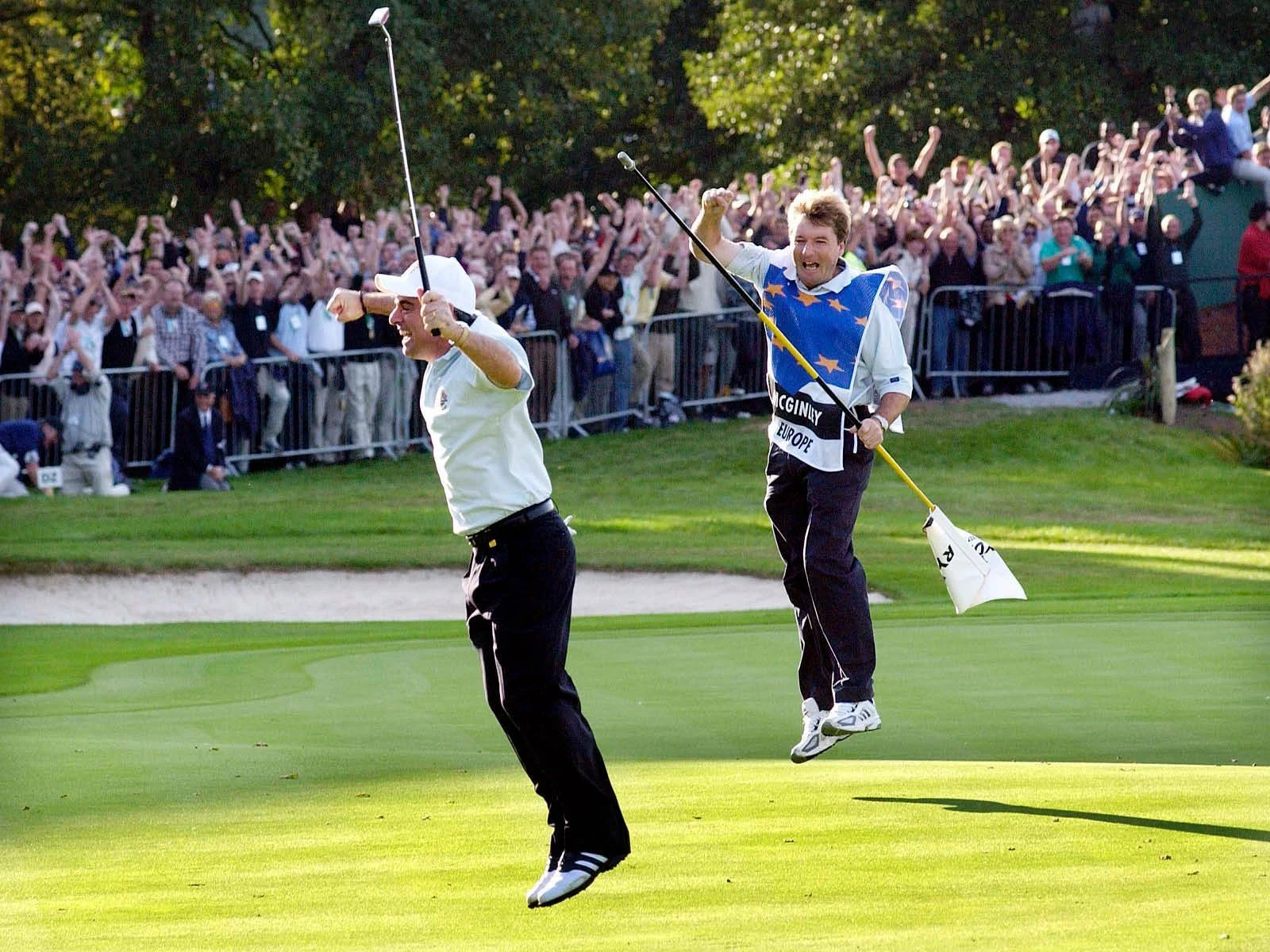
Paul McGinley’s winning putt at the Belfry in 2002
Europe took 60 years to win in America. Following the elation of 1985, Europe backed it up with a 15-13 victory at Muirfield Village in Ohio, their first on US soil. Suddenly, the days of the US holding on to the trophy for eternity seemed a distant memory.
The Americans hit back in the ‘War on the Shore’. 1991 brought the most fiercely fought and controversial Ryder Cup in history, the Americans stealing a win by a point. A post-Gulf War patriotism was encouraged by Captain Dave Stockton as Seve and Paul Azinger clashed, and there was controversy as Steve Pate pulled out on Sunday with the score tied 8-8. It all went down to the last shot of the day, but Bernhard Langer slid a six-footer wide to hand the Americans victory.

Justin Rose at The 39th Ryder Cup, Medinah Country Club
No one can forget the ‘Miracle of Medinah’. Despite the best efforts of Ian Poulter, the Americans needed just 4½ points to seal victory on Sunday, while Europe needed 8. The Americans had never surrendered more than a two-point lead; it seemed to be all over, but captain Olazábal had faith. Against all the odds, dropping just three matches all day, Europe completed the greatest comeback of all time, Justin Rose’s thirty-footer on 17 the crucial shot. Martin Kaymer decided victory with a five-footer.
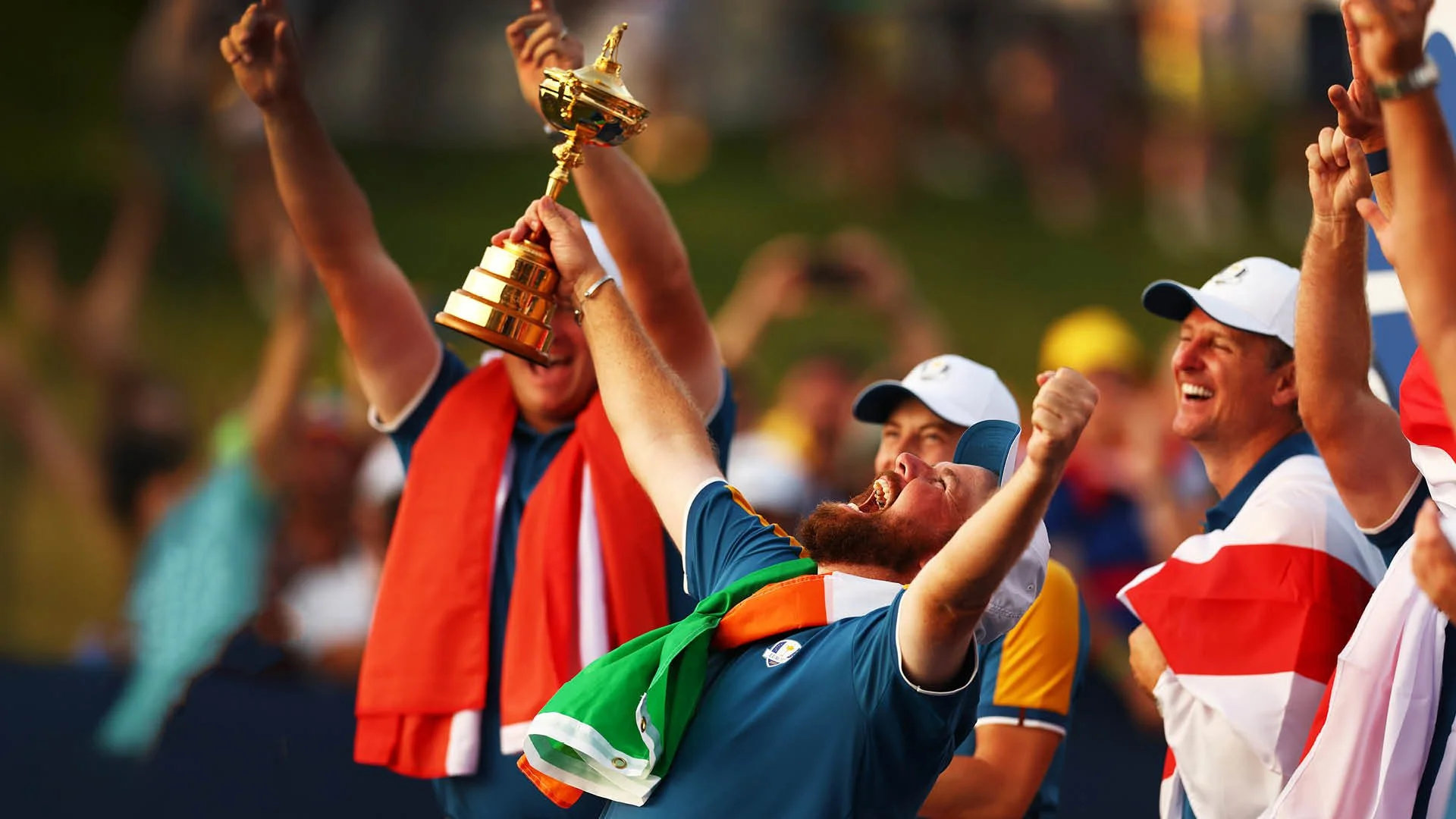
Or, more recently, Europe’s first win in America in 16 years. Europe completed their own fairytale of New York when they claimed the Ryder Cup in 2025 at Bethpage Black, their first victory on American soil since the Miracle in Medinah. A steely Sunday was required from the visitors – they had started the day with an 11½-4½ lead, but were made to battle in a nerve-shredding afternoon where Team USA looked set to complete the biggest ever comeback in Ryder Cup history. However, Shane Lowry proved himself the hero – the Irishman had been two down with four to play against Russell Henley, but a stunning approach to the 15th saw him go down the last knowing a win would retain the cup. Henley left his effort short on the 18th, and Lowry holed from six feet before setting off dancing across the green and bursting into tears.
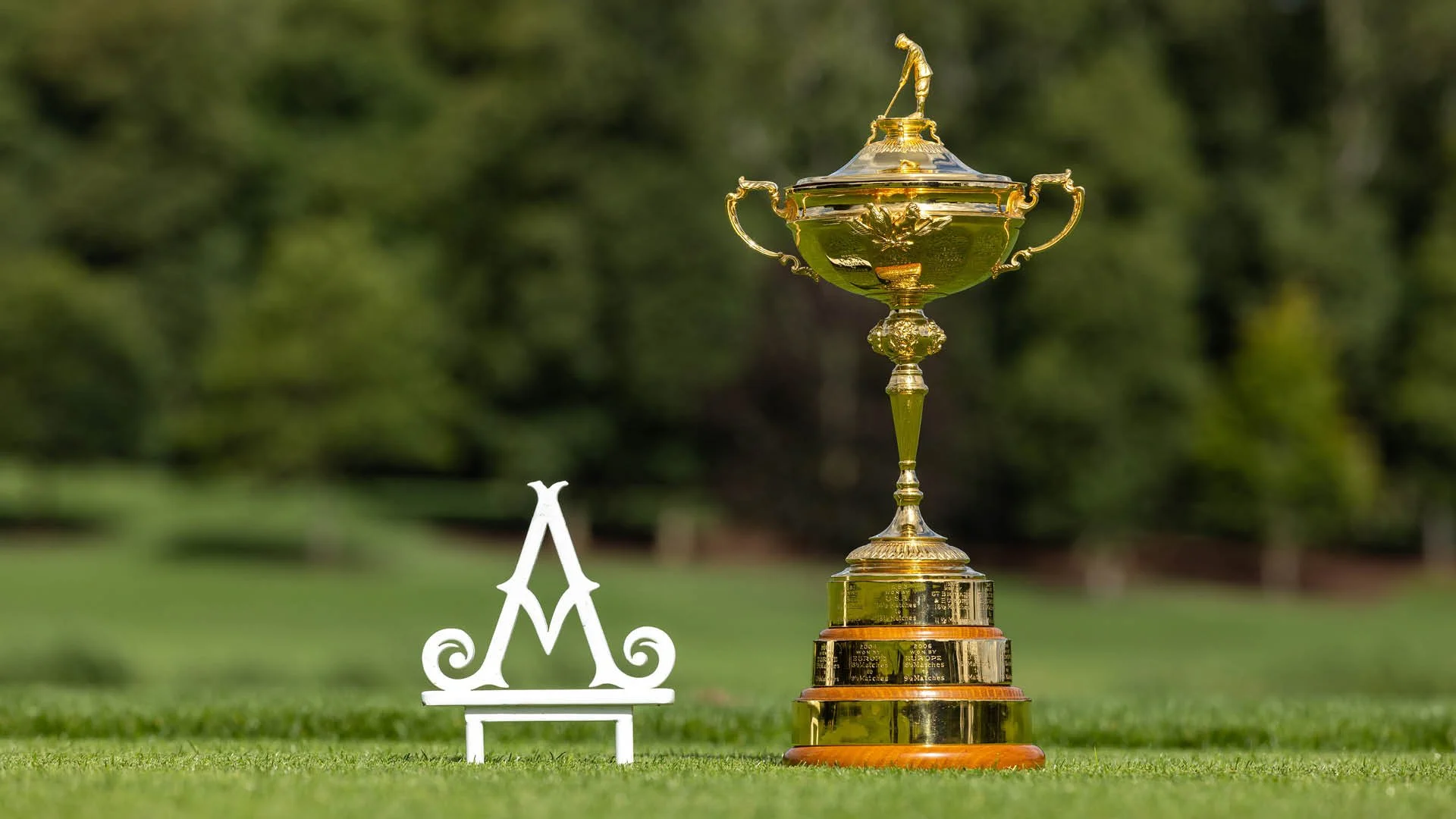
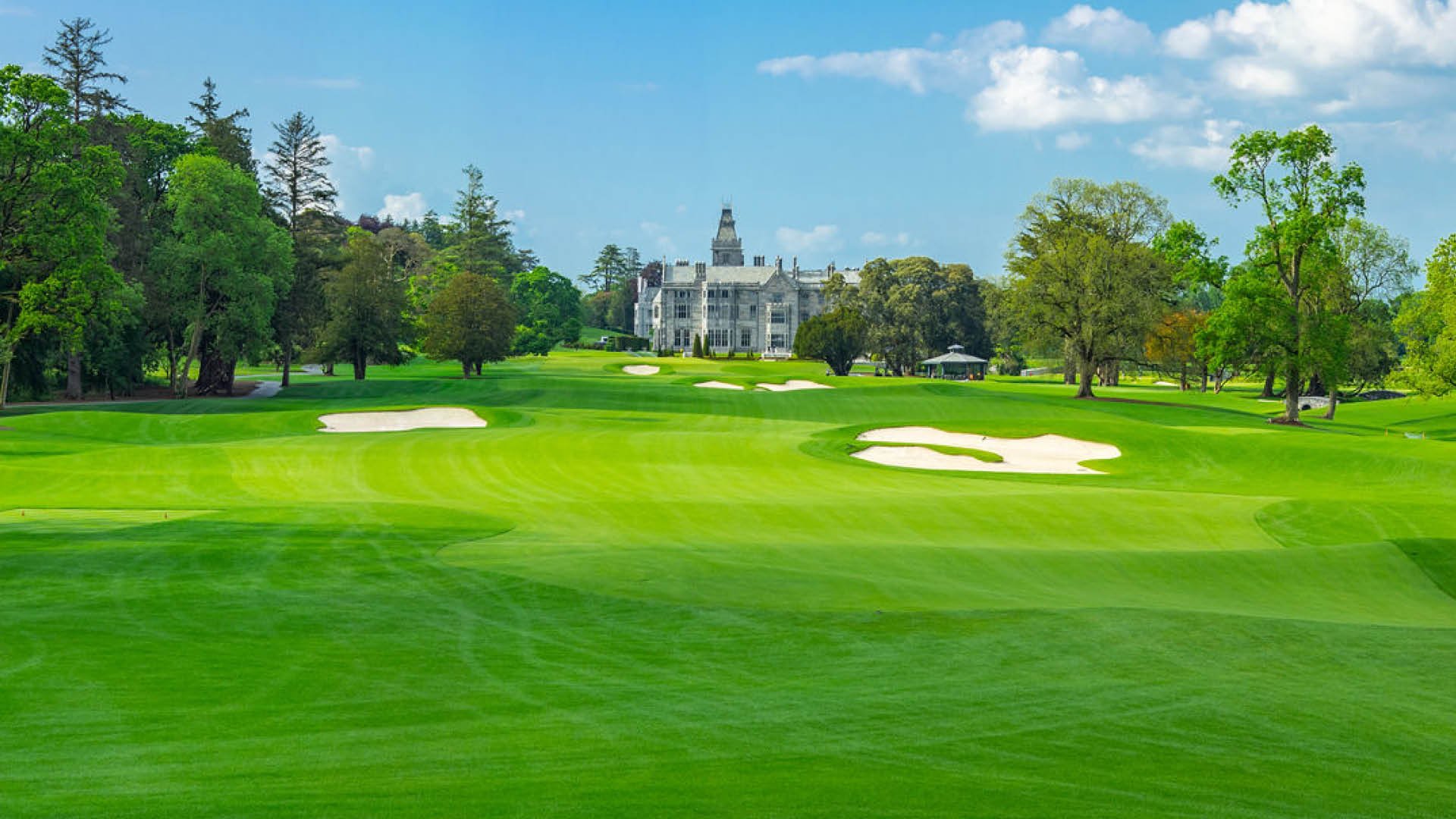
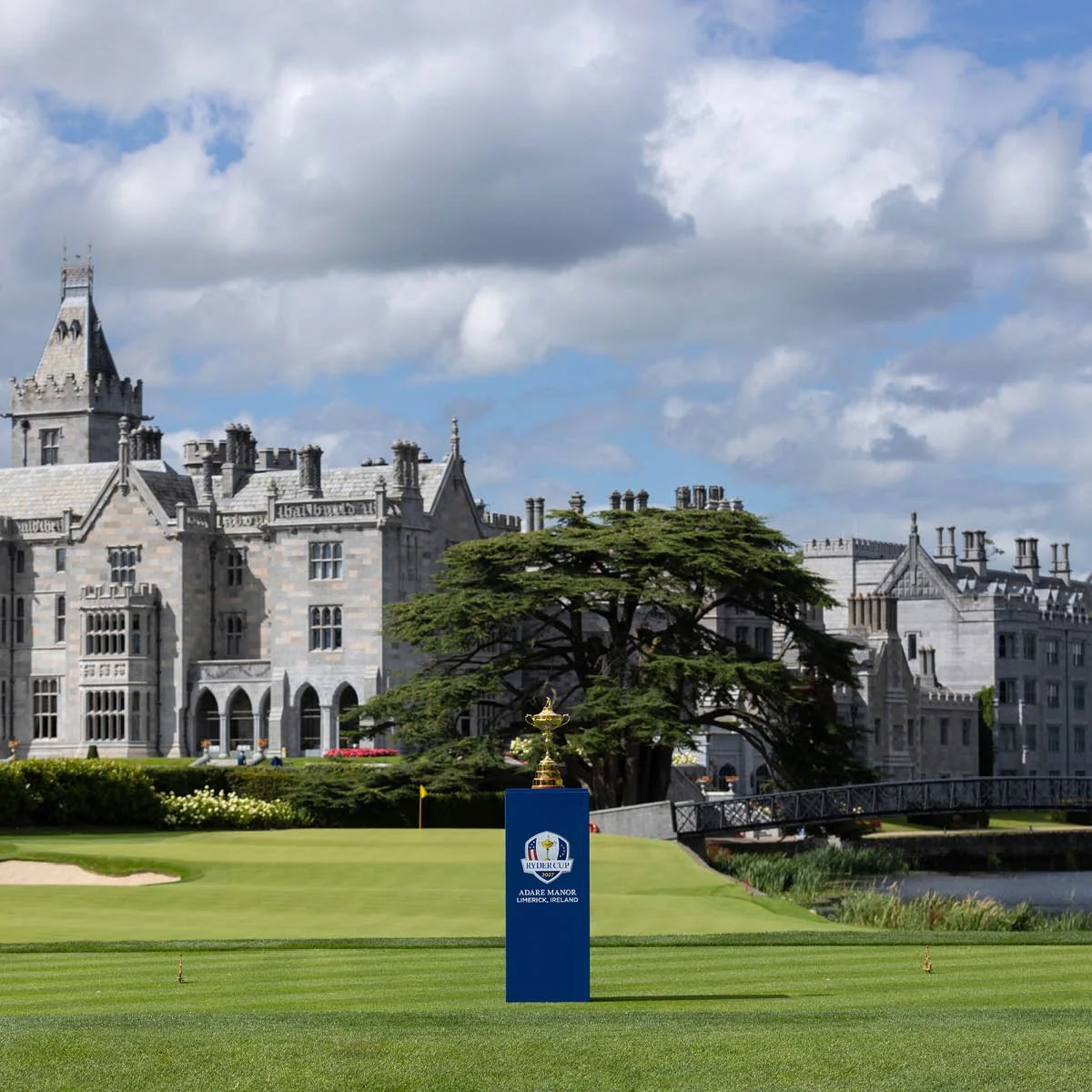
The 2027 Ryder Cup at Adare Manor in Limerick, Ireland, awaits. If you’d like to explore joining us at Adare Manor and be a part of what will no doubt be another memorable chapter in the history of this great match, please provide your details, and our team would be delighted to guide you through the next steps.